
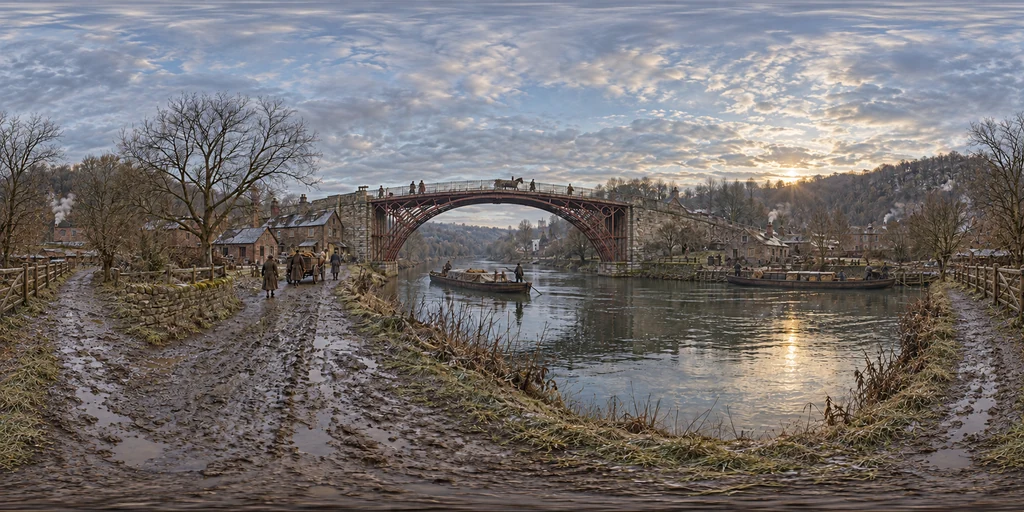
Iron Bridge: construction or opening?
Why the Iron Bridge's 1781 opening is different from its 1779 construction, and how to read an industrial river scene.
A bridge, a lighthouse or a tram can narrow a historical guess. These six worked examples connect transport and public spaces from 1781 to 1903. Read the scene, compare possible explanations, then check the historical milestone and its sources.
Look beyond the main landmark. A rocky offshore site, a river gorge and an urban street suggest different activities. Write down two possible locations before choosing one.
Study transport, power sources and building materials together. One old object may survive into a later period; look for a combination that supports your estimate rather than treating an absence as proof.
Visual clues can support a period without proving an exact year. Identify whether the question concerns construction, opening or first use, then consult the answer and sources to resolve that milestone.
Why the Iron Bridge's 1781 opening is different from its 1779 construction, and how to read an industrial river scene.
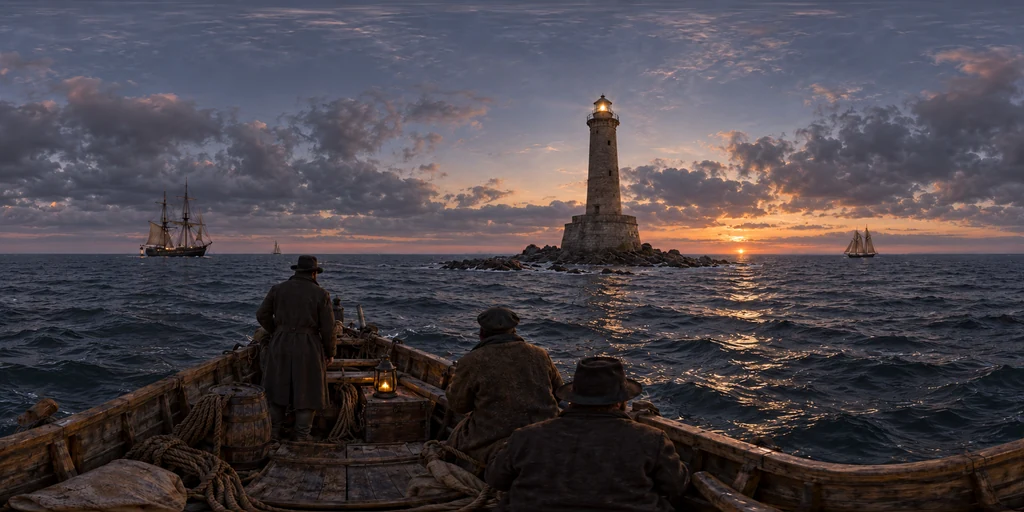
Read the sea, stone tower and navigation clues behind Bell Rock Lighthouse's first light in 1811.
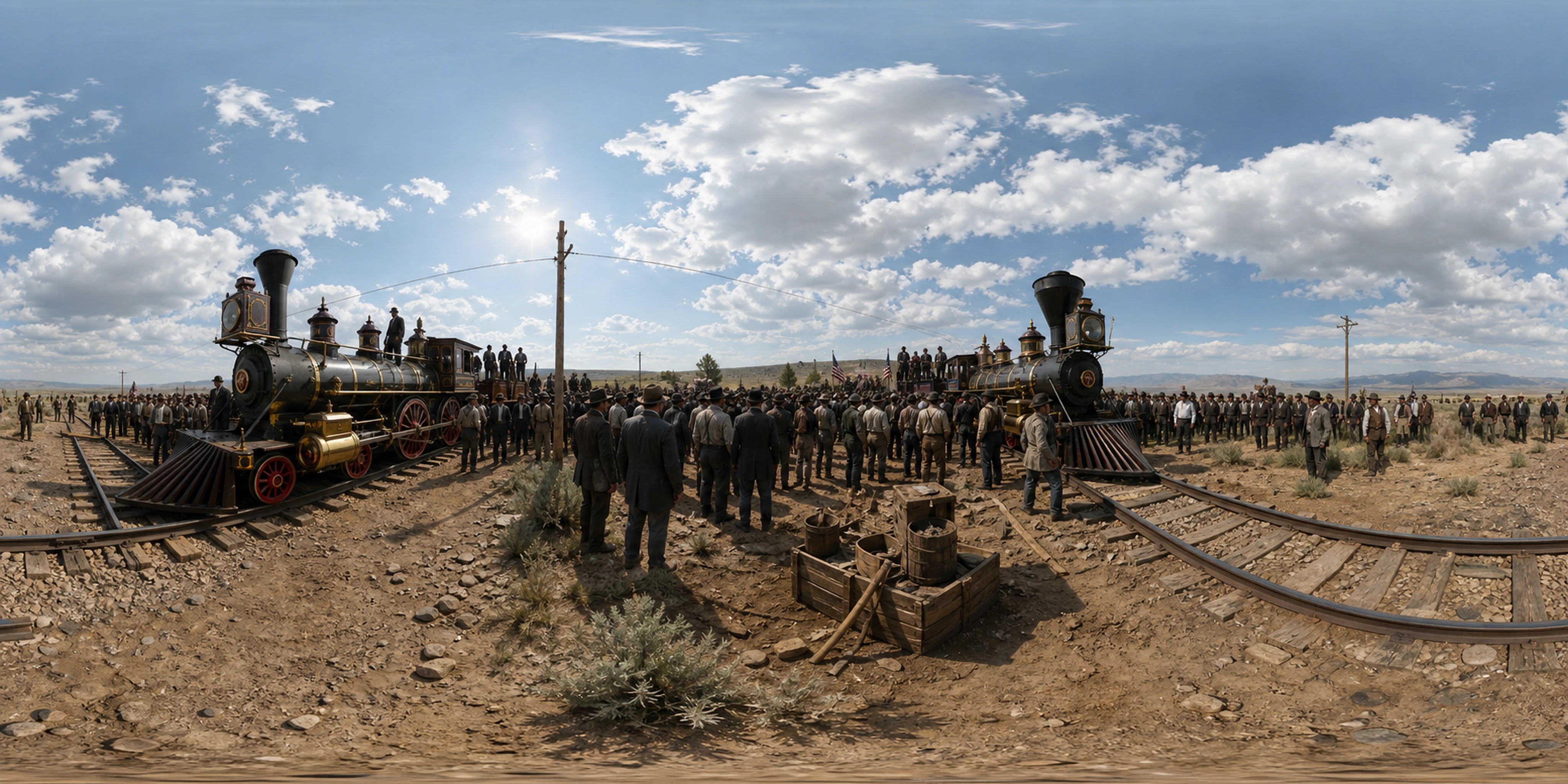
Use railway and landscape clues to understand the 1869 meeting of the transcontinental railroad at Promontory Summit.
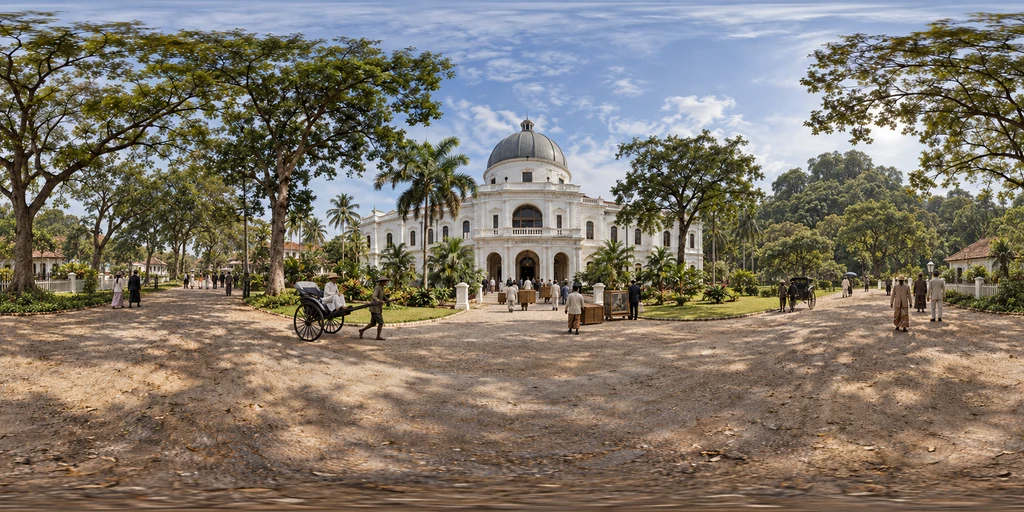
Distinguish the Raffles Library and Museum's 1887 building opening from the institution's earlier history.
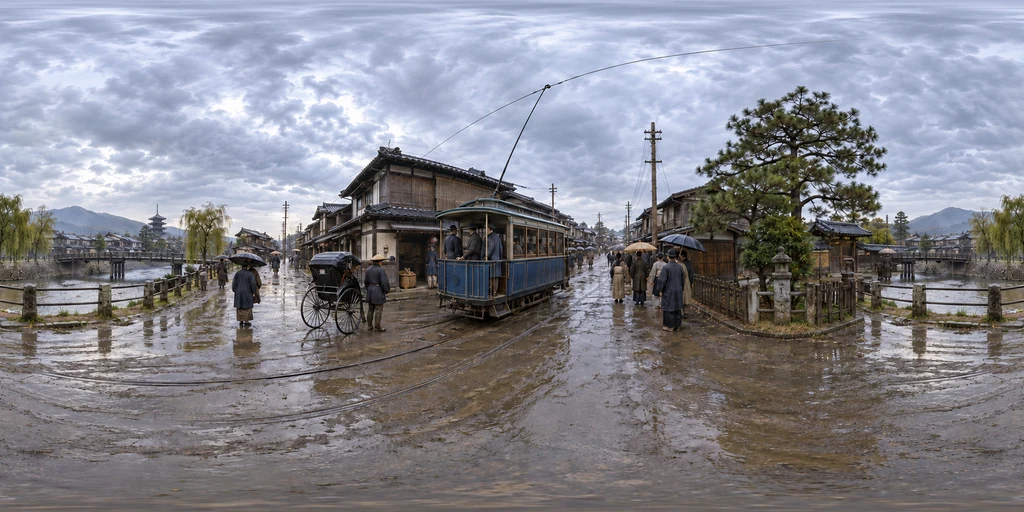
Read street-railway clues and distinguish Kyoto's 1895 private tram opening from municipal service in 1912.
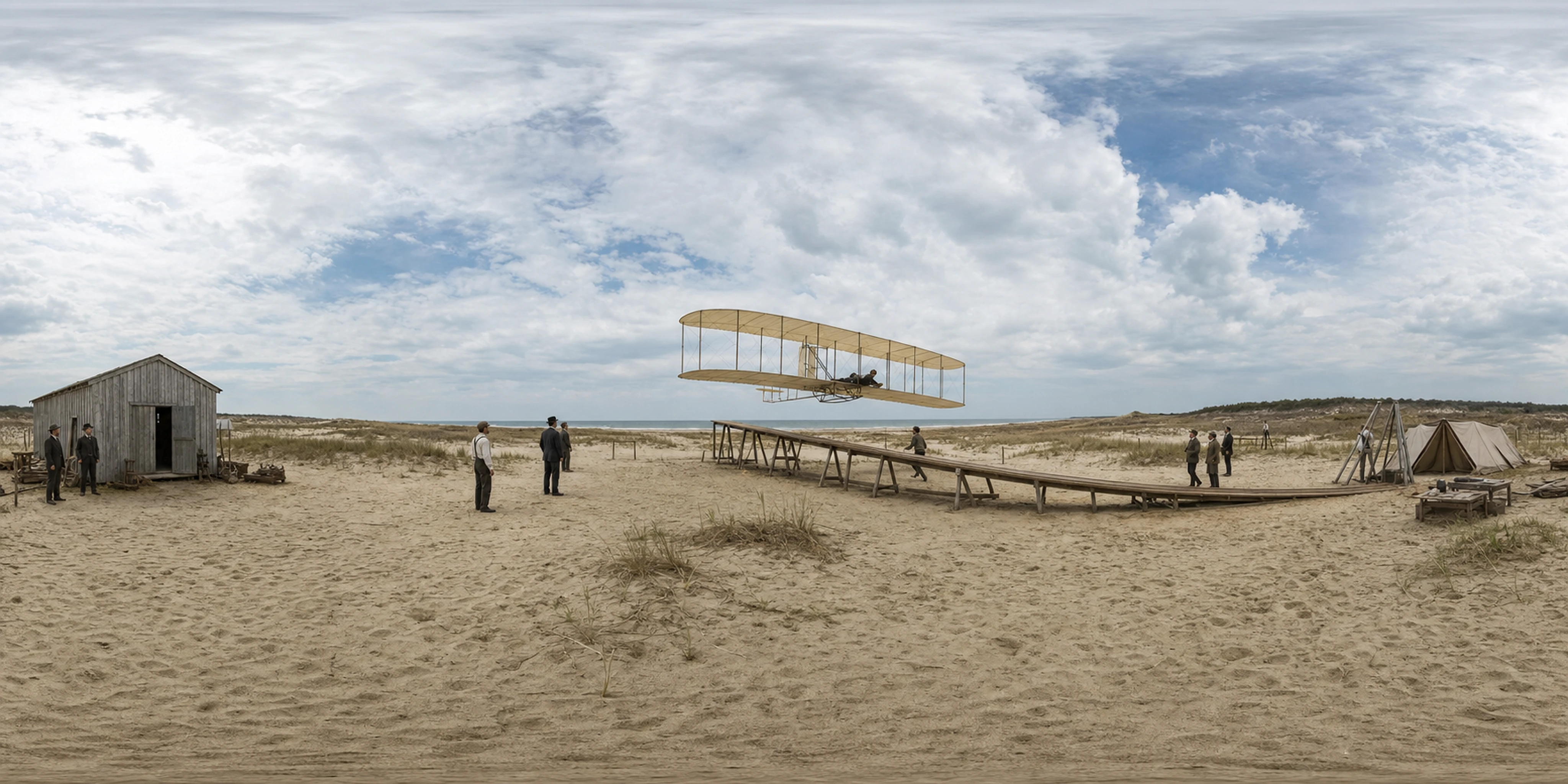
Connect the Wright brothers' 1903 flights with the landscape and experimental aircraft at Kill Devil Hills.
AI-generated historical reconstruction, not an archival photograph. Weather, people and incidental details are illustrative; use the linked sources for historical facts. This page explains an answer before you play.
Play World HistoryStart a random World History game. These examples are not a fixed playable sequence.